


modern sectional sofas















frequently asked questions
How much should I expect to pay for a sectional sofa?
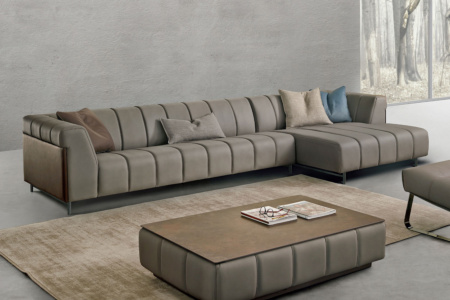
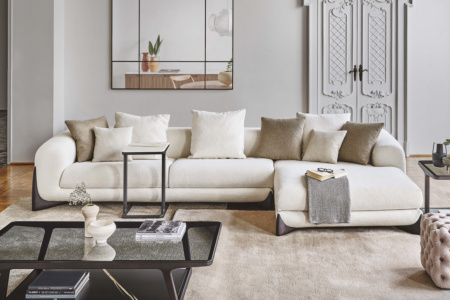
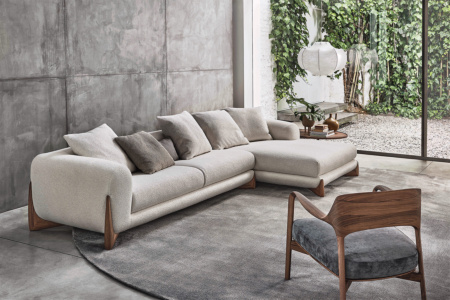
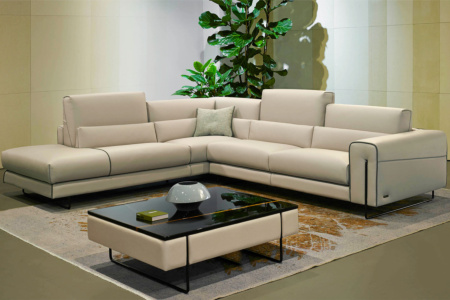
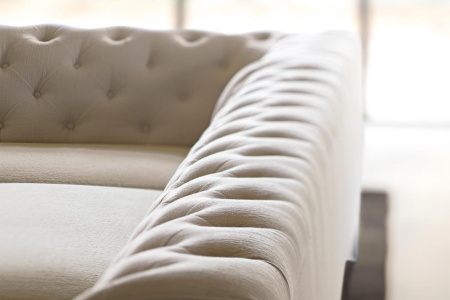
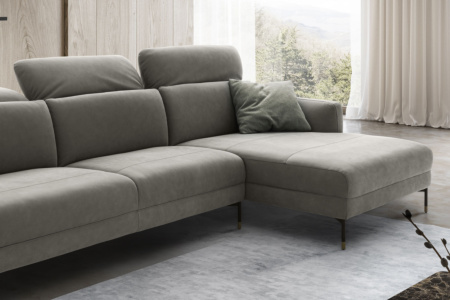
Sectionals range in prices, with a stylish option available for every budget and taste. The cost of a sectional is determined by several sophisticate factors among which are comfort and style of the piece. Sectionals that offer superior cushioning, and adjustable mechanisms often come at a higher price point. Similarly, the design details such as intricate stitching or special features like storage or shelves can also impact the overall cost.
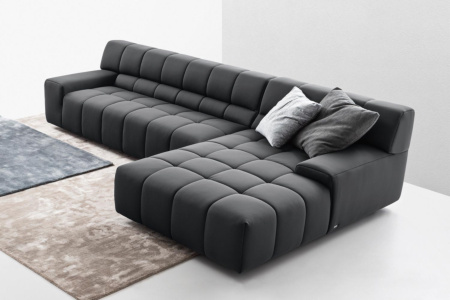
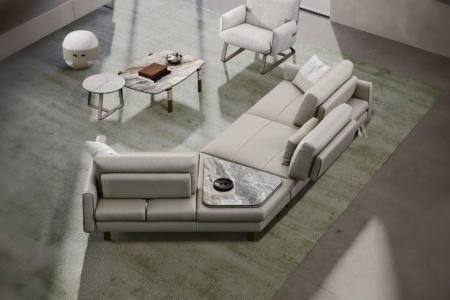
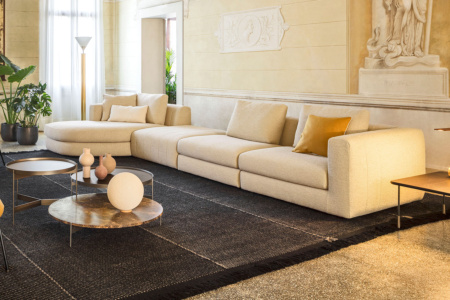
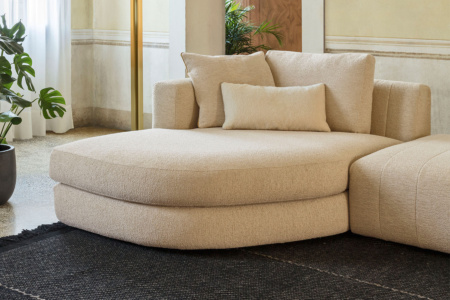
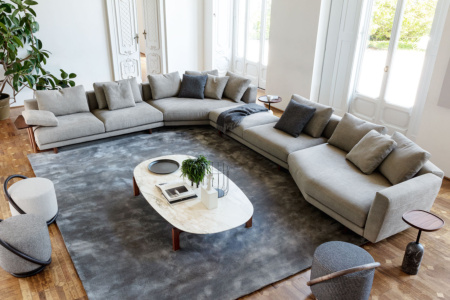
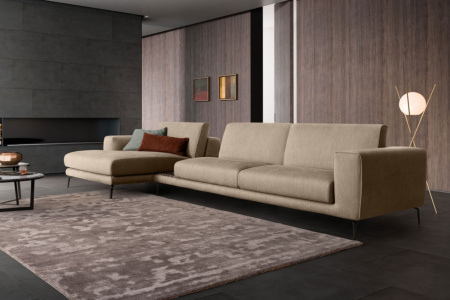
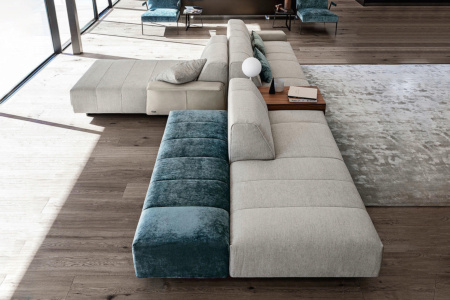
The choice of upholstery cover is another significant factor in pricing. Leather sectionals, known for their luxury feel and lasting durability, tend to be more expensive compared to fabric options, which offer a broader variety of textures and colors but may not have the same longevity. Additionally, the size plays a role in its price. A larger sectional that offers peninsula, chaise lounge or both typically costs more due to the increased materials and craftsmanship involved.
What is the average life of a sectional sofa?
High-end sectionals are designed to last for a while and often look brand new because they are manufactured using premium materials. Sectionals that are made in Italy, in particular, are known for their exceptional quality and can last for at least a decade, thanks to the superior craftsmanship and high-grade materials used in their construction. On the other hand, sectionals manufactured in Asia may be of lower quality, often due to the use of cheaper materials and manufacturing processes.
When shopping for a sectional that you plan to use frequently and keep for years, it's essential to prioritize those made in Italy as they typically feature sturdy metal or solid wood structures, along with top-tier filling and upholstery materials. Investing in a high-quality sectional ensures both its comfort and longevity, making it a worthwhile addition to your home.
Do sectional sofas make a room look small?
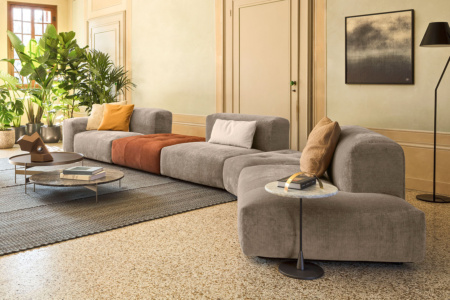
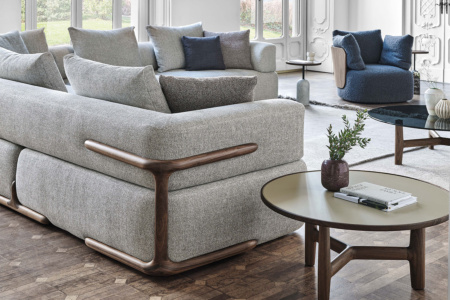
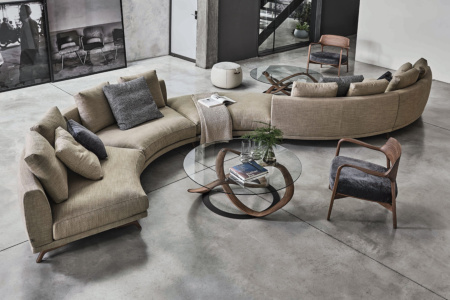
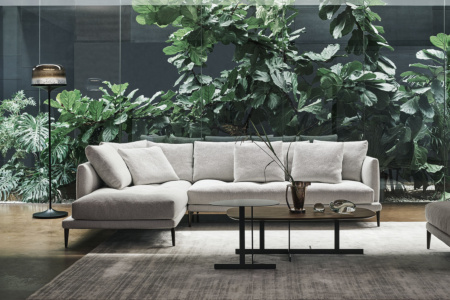
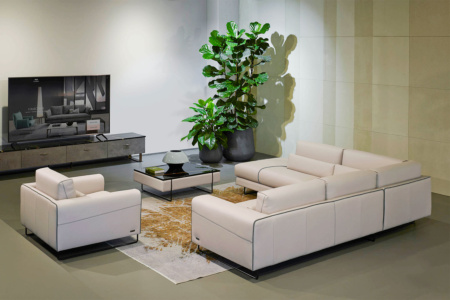
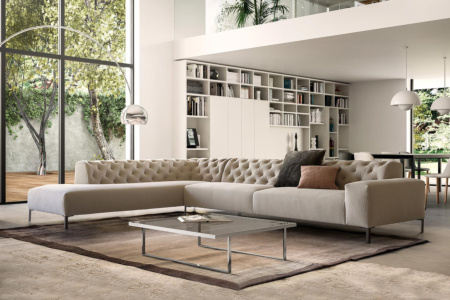
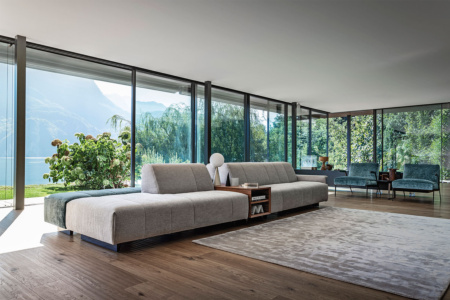
Sectionals are versatile and can fit any room size as long as they are appropriately scaled to both the space and the other furniture in the room. Smaller spaces benefit from sleek, minimalist sectionals, while open floor plans and larger rooms can accommodate more substantial options. The key is ensuring the sectional is proportionate to the area, taking into account other furniture such as chairs or occasional furniture, such as round tables, which tend to occupy more space than angular ones. With the right balance of scale and proportion, a sectional will perfectly fit the room as well as its flow and function.